bob@nbdho.com

Changing Preferences for Stainless Steel Cutlery in the US & EU (2025 Outlook)
Consumer demand in the US and EU is increasingly favoring stainless steel cutlery that delivers not just functionality, but also design, safety, and sustainability. Several key trends are redefining preferences in 2025
-
Eco-certified products are increasingly influencing purchase decisions: 68% of US & EU buyers consider sustainability labels “critical.” Certifications like EU Ecolabel, ResponsibleSteel, or FSC (for packaging) significantly boost brand trust and sales.
-
Stainless steel itself is embraced for its recyclability and longevity. Usage of recycled steel in cutlery production is rising
2. Premium Materials & Certifications
-
Consumers are shifting away from lower-grade alloys such as 18/0, preferring 18/8 or 18/10 stainless steel for rust resistance, durability, and polish retentionEuropean consumers show a preference for certified products meeting LFGB, REACH, and RoHS standards, while US buyers expect FDA compliance.
3. Design & Manufacturing Trends (2025 Outlook)
From recent industry reports, the following design trends are prominent:
-
Metallic finishes such as PVD‑gold, matte black, and rose gold are favored in upscale dining and hospitality settings.
-
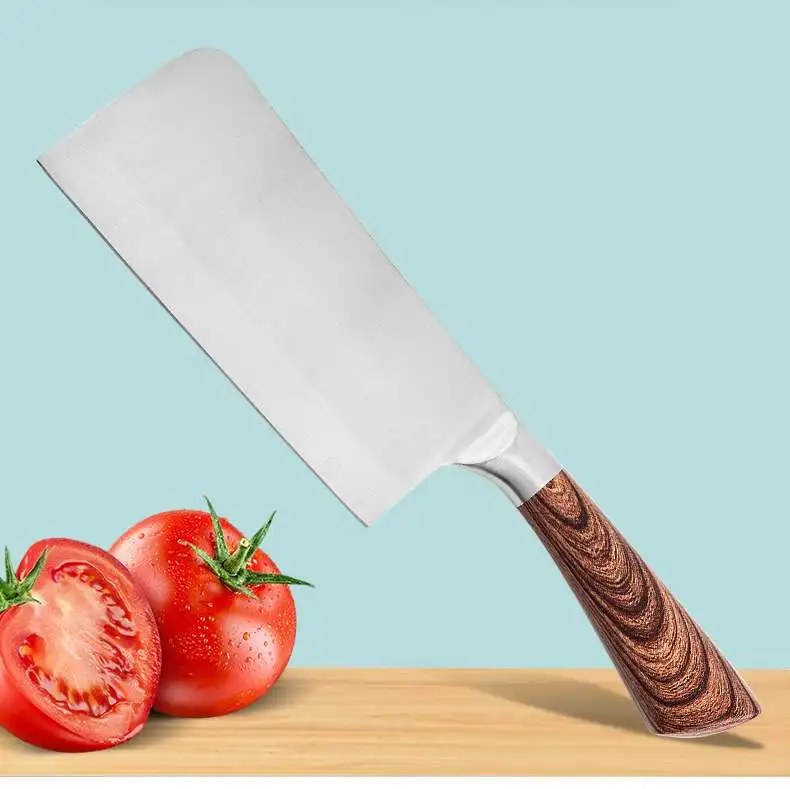
Textured handles (hammered, wave, or wood-like finishes) add visual and tactile uniqueness.
-
Minimalist, ergonomic shapes dominate modern tableware design, blending appeal with comfort.
4. Demographics & Buyer Behavior
-
Younger consumers (Millennials & Gen Z) prioritize eco‑friendly features, design personalization, and premium branding. They’re willing to pay 15–20% more for verifiable sustainability.
-
Older buyers (65+) demand ergonomic ergonomics: comfortable weight, balanced handles, and durable finish.
5. Premium & Branded Flatware Leads the Market
-
European buyers particularly value craftsmanship and branded designer sets—from premium names like WMF, Zwilling, Oneida—often with EU Ecolabel or ISO 14001 certification.
-
In the US, domestic-made brands (e.g. Liberty Tabletop) garner trust despite higher price points. Buyers report that these outperform cheaper imports in durability and rust resistance.
📊 Summary Table: Evolving Preferences (US & EU)
| Preference Area | Key Direction |
|---|---|
| Material | Move from 18/0 to 18/8 or 18/10 stainless steel |
| Sustainability | Certifications and recycled content matter |
| Finish & Aesthetics | Matte, textured, and metallic color coatings |
| Ergonomics & Balance | More emphasis on comfort, weight, and grip |
| Design Personalization | Custom pieces, branded sets, minimalistic styling |
| Brand Trust | Domestic manufacture or known European brands |
| Certified Manufacturing | LFGB (EU), FDA (US), REACH, ISO, ResponsibleSteel |
✅ Why It Matters for Businesses
For Manufacturers & Suppliers:
-
Prioritize high‑grade stainless steel and offer LFGB, REACH, FDA compliance to meet regional standards.
-
Invest in sustainable production—eco‑friendly finishes, recycled steel, energy‑efficient processes.
-
Provide premium or customizable designs: PVD color options, textured surfaces, ergonomic forms.
For Brands & Importers:
-
Highlight sustainability and certification credentials in marketing.
-
Appeal to higher‑income or design‑savvy consumers with unique finishes and bespoke sets.
-
Partner with domestic or EU-certified suppliers, delivering consistency and customer trust.
🔮 Future Outlook
By 2025, success in the US and EU stainless steel cutlery markets will require:
-
Meeting rising expectations for design, sustainability, functional ergonomics, and ethical sourcing.
-
Differentiating via certified materials and premium finishes.
-
Combining brand transparency with innovative product offerings to capture value-oriented consumers.